Soft Strip or Full Demolition? Key Differences You Should Know
One of the first decisions you will need to make when planning a restoration or redevelopment is whether your project requires a soft strip or a full demolition. This is one of the most important decisions you will make. Your ultimate objective, the arrangement of the building, and your plans for what comes after all play a role in determining which option is best for your project. The skilled soft strip demolition services that we offer in Edinburgh at Jettison Express ensure that your next phase of construction will be prepared in a way that is safe, efficient, and environmentally friendly.
You can learn more about our services on our soft strip demolition contractor Edinburgh page or contact our team directly at 0333 880 6800 for tailored advice on your project.
What Is Soft Strip Demolition?
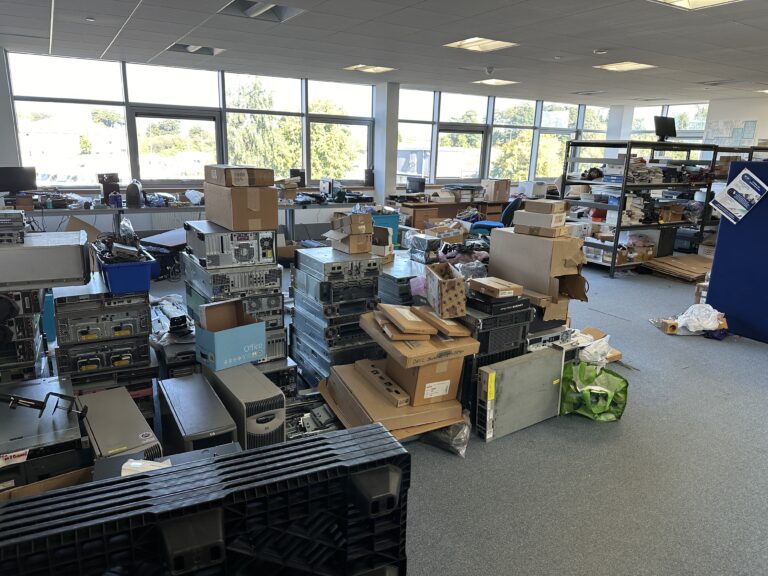
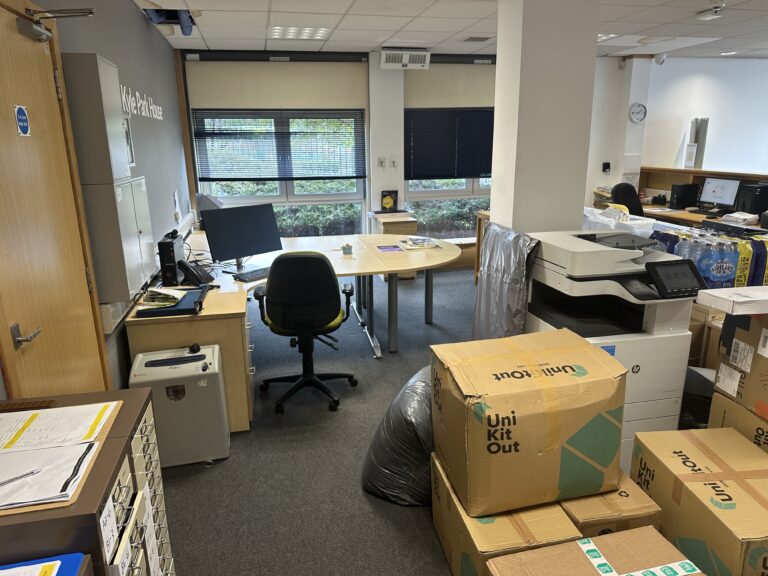
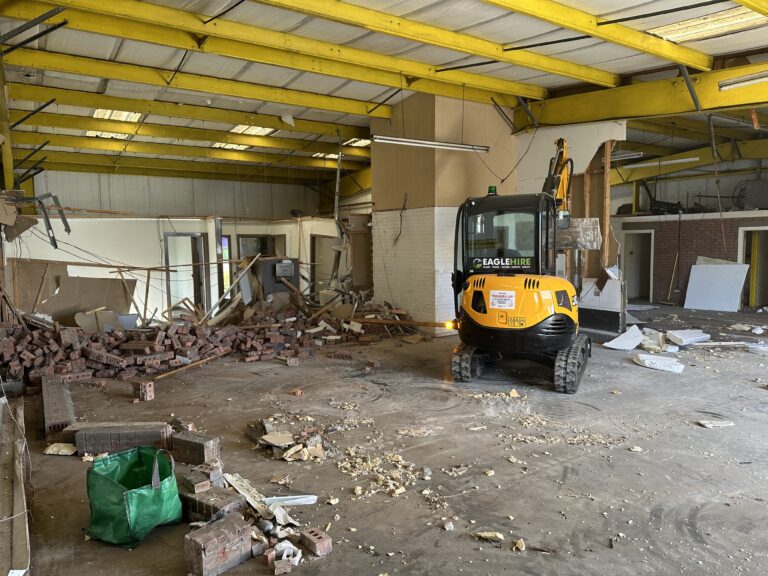
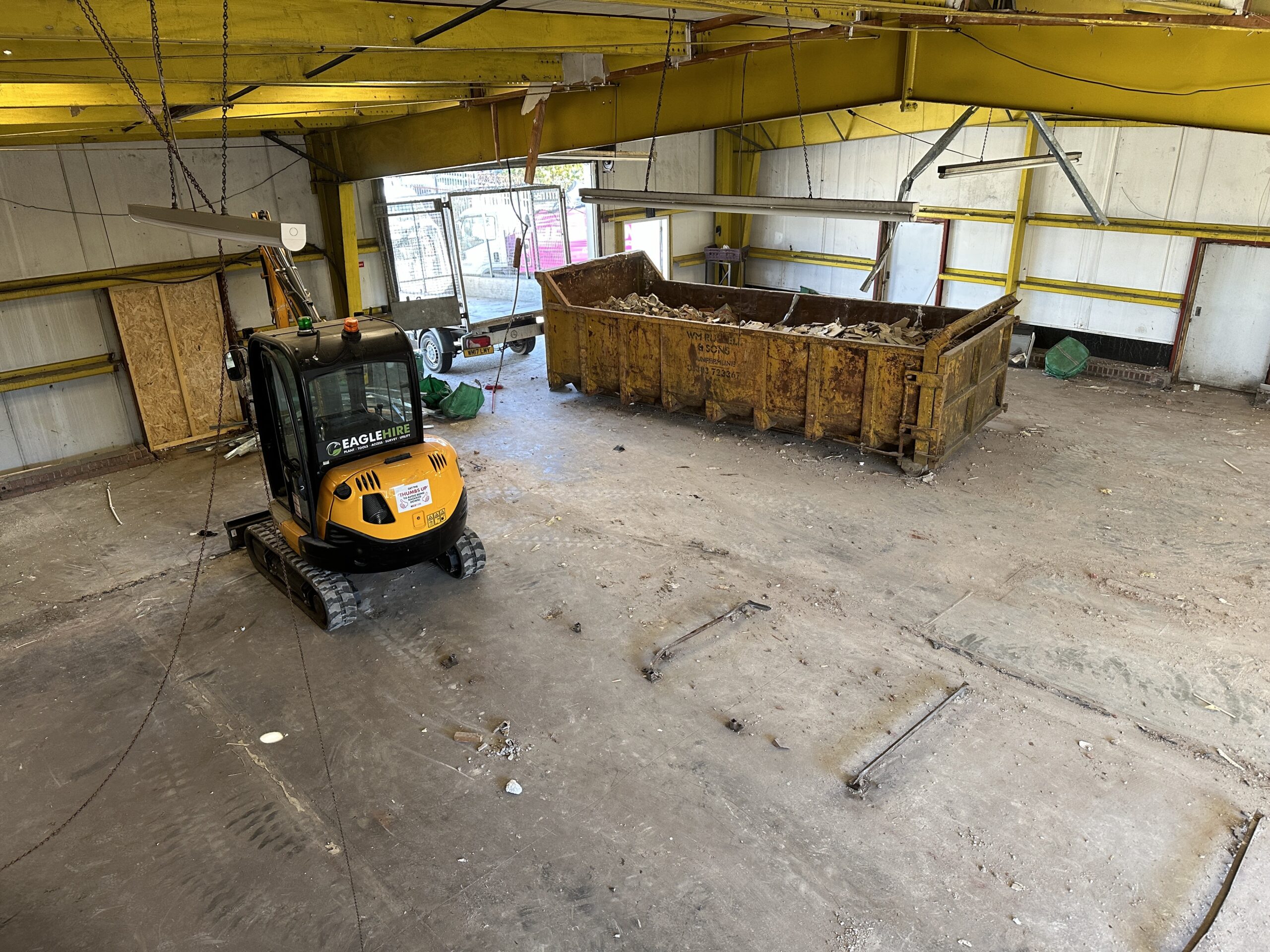
Soft strip demolition involves removing internal, non-structural elements of a building. This includes fixtures, fittings, partitions, suspended ceilings, flooring, and mechanical or electrical systems. The process is commonly used before a refurbishment, renovation, or structural demolition to prepare a clean, safe, and clear space.
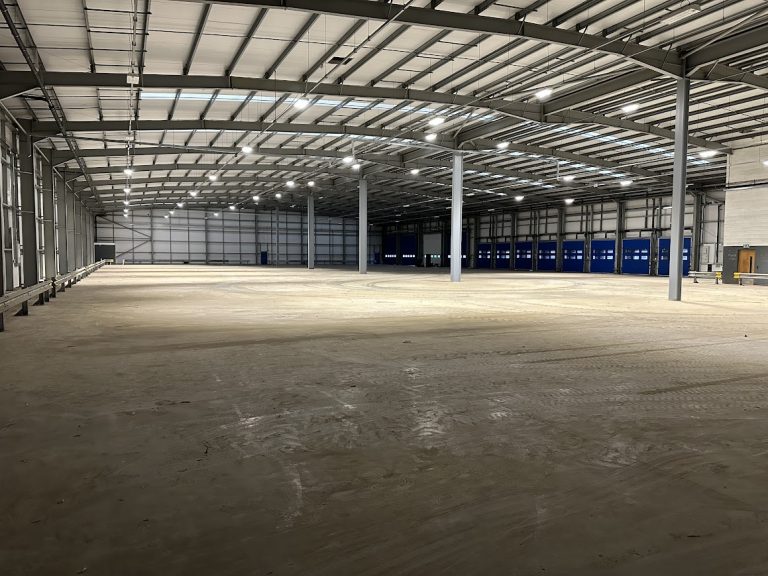
At Jettison Express, our soft strip service is designed to leave the main structure intact while safely removing all internal materials. It is ideal for offices, retail units, industrial spaces, and older buildings where the outer framework is being preserved.
What Is Full Demolition?
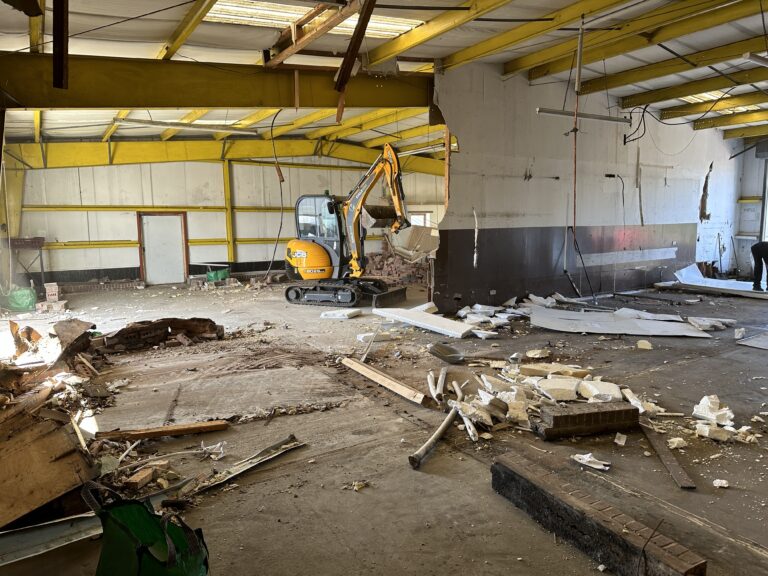
On the other hand, full demolition involves the complete removal of a structure, including the framework that supports its structural components. Projects of this kind are usually chosen in situations where a property is either beyond repair, hazardous, or is being replaced by a new development.
Full demolition requires extensive planning, structural assessments, and heavy machinery. It also produces significantly more waste, which means environmental management and recycling play a critical role in the process.
The Key Differences Between Soft Strip and Full Demolition
Although both types of work are part of removal services, they are done for very different reasons. When you have a solid understanding of these contrasts, you can make certain that your project gets off to a good start.
1. Scope of Work
Soft strip works on the inside parts without touching the building’s shell. Full demolition removes the whole structure from top to bottom.
2. Project Goals
Full demolition clears the entire structure, whereas soft strip targets the interior for renovation, focusing on preserving structural elements.
3. Time and Cost
Soft strip projects are typically faster and cheaper than other types of projects since they use less heavy machinery and there is less waste disposal involved. Full demolition requires more resources and compliance with regulations, which results in an increase in both costs and timelines.
4. Waste and Recycling
Soft strip demolition produces mainly recyclable materials such as wood, metal, and plasterboard. Jettison Express places strong emphasis on sustainability, recycling as much waste as possible to reduce landfill use. Full demolition, however, often generates mixed and bulk materials that require specialist handling and separation.
5. Environmental Impact
A soft strip method is better for the environment. It helps reuse materials, cuts down on dust and noise, and follows environmentally friendly building standards.
When Should You Choose Soft Strip Demolition?
Soft strip demolition is the right choice when you plan to retain the existing structure and simply refurbish the interior. Common scenarios include:
- Office or retail unit refurbishment
- Converting industrial or commercial premises for new use
- Preparing buildings in Edinburgh’s historic areas where the external façade must be preserved
- Enabling works before structural alterations or extensions
When you work with Jettison Express, you get to work with experienced individuals who know what it’s like to operate in crowded or historic places. While we get your site ready for the next step, we respect your privacy and don’t cause too much trouble.
When Is Full Demolition the Better Option?
A building should be fully demolished if it’s unsafe, contaminated, or no longer useful. This is also the right choice when starting a renovation with a new design.
This process is more complex and must follow strict safety and environmental regulations. It calls for detailed planning, structural assessments, and coordination with local authorities.
Safety and Compliance in Every Project
Soft strip and full demolition both need strong safety measures. Jettison Express follows all UK health and safety standards, with trained staff who handle risks and waste responsibly through recycling channels.
Our main goal is to keep work areas safe, clean and ready for the next stage of building or fixing up.
Why Edinburgh Projects Often Prefer Soft Strip Demolition Service
In cities like Edinburgh, where buildings are historic or closely connected, soft strip demolition is the best choice. Renovations run smoothly, the building’s look is maintained, and nearby areas experience less disruption.
Our Jettison Express team is skilled in managing projects for homes, offices, and industrial sites across the area. We ensure every clearance or preparation job is done quickly, safely, and without stress.
Learn more about our approach on our soft strip demolition contractor Edinburgh page.
Final Thoughts
Deciding between soft strip and full demolition depends on your project, budget, and building condition. Most of the time, a soft strip service is better for home improvements or repairs.
At Jettison Express, we combine local expertise, high recycling rates, and safety-first practices to deliver reliable soft strip demolition in Edinburgh. For advice or a free quotation, call us today on 0333 880 6800 and let our team help you prepare your property for its next stage.