
Do You Know What Soft Strip Demolition Is?
If you have never hired demolition services before, you may be unsure of the meaning of some of the terminology and the importance they play in the demolition process.
For instance, what is soft strip demolition and how does it work in the context of renovation? Is it a vital component of the demolition process, including removing hazardous materials, and how materials are disposed of to meet strict regulations and be as environmentally friendly as possible.
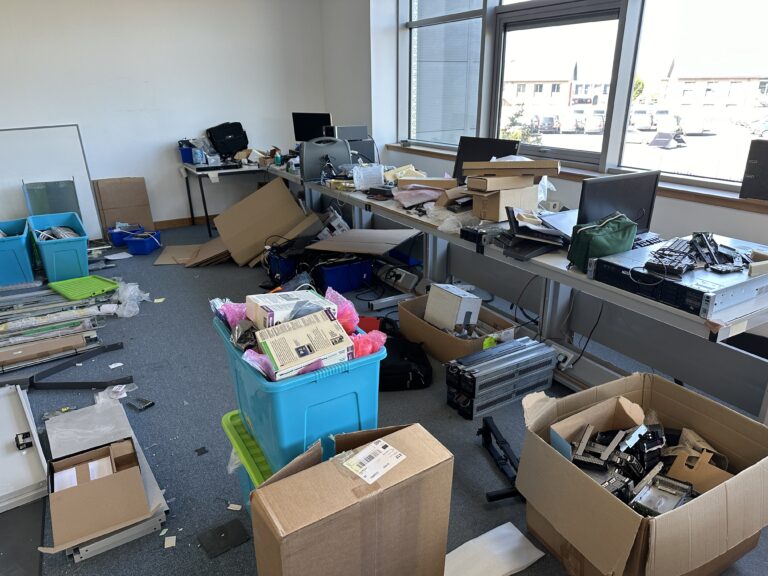
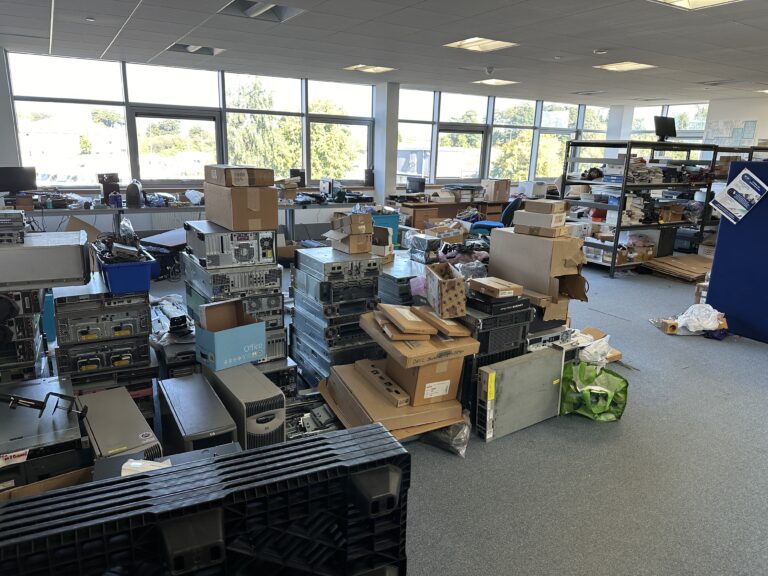
Soft strip demolition services involve the removal of all non-structural items from the job site. These non-structural elements can be found both within and outside of a building and should be removed before the structure is demolished entirely or partially during the complete demolition process.
This process involves the safe removal of all fixtures and fittings, walls, ceilings, staircases, temporary structures, equipment and machinery, and mechanical and electrical fittings in order to make way for the most efficient and effective demolition, refurbishment, or re-modelling work to be completed.
Soft Strip Demolition Services for Safety
Competent Soft Strip Demolition Contractors are well aware of the significant levels of dust and noise that may be generated during soft strip demolition, therefore they will also understand the importance of thorough preparation before they start working.
The planning for a soft strip demolition project will start with interior and external visual surveys, risk assessments, and an asbestos survey in accordance with the Control of Asbestos Regulations 2012.
Asbestos removal may often be performed together with the soft strip procedure to allow the asbestos removal contractor access to all identified asbestos sites.
Depending on the scope of the work, an assessment to determine environmental control measures, ecological surveys to consider the presence of wildlife, developing phase plans, and site waste management plans might be needed.
Benefits of Soft Strip Demolition
Proper and comprehensive demolition planning guarantees that not only the work is completed effectively and satisfactorily, but that the health concerns connected with working in dusty settings are identified and that workers undergo regular health screenings.
The best soft strip demolition processes that can be utilised to reduce dust, such as recycling materials during the soft strip demolition in the UK, include:
- Determine whether areas may be screened off to prevent dust from spreading during the demolition work.
- What personal protective equipment (PPE) is needed for those who will be working in the area during the demolition work and ensuring that it is put on properly?
- Can water-based or on-tool extraction techniques be used in the renovation process?
- Is there enough natural ventilation? If not, is it possible to provide mechanical ventilation?
Soft strip demolition creates a lot of noise, so any potential issues should be considered thoroughly and dealt with beforehand. The soft strip demolition will be scheduled at a time that causes the least amount of delay and disturbance to the surrounding buildings during the complete demolition process.
Contact us About Our Soft Strip Demolition Services
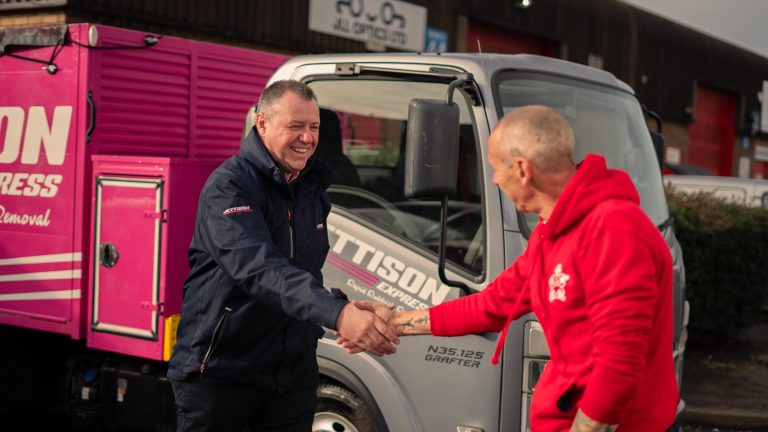
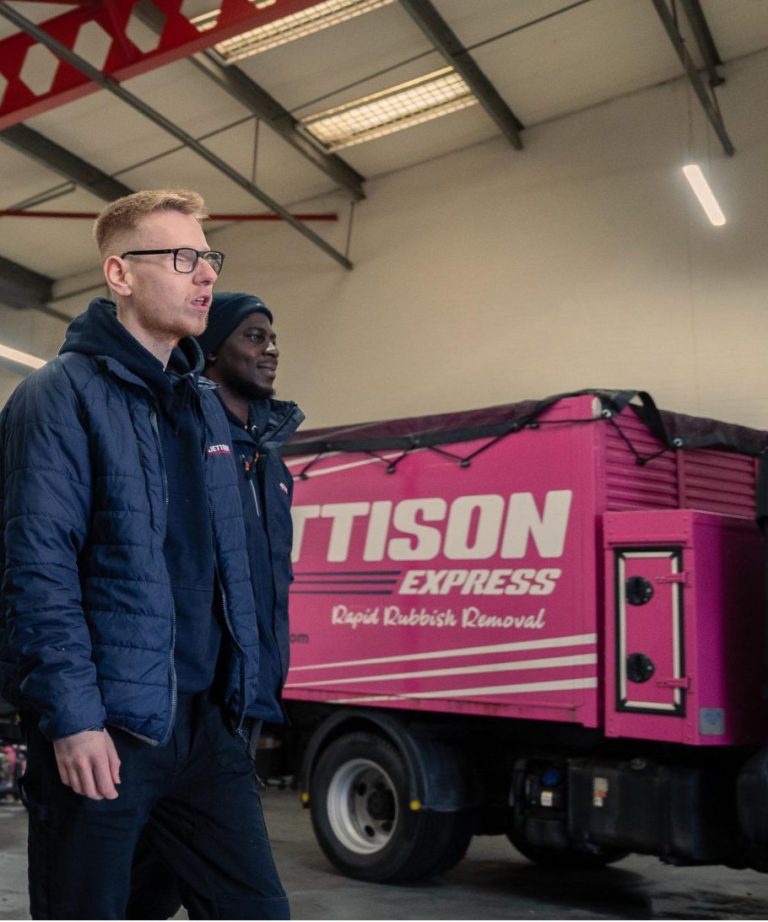
Jettison Soft Strip Demolition contractors may carry out the job as a stand-alone project or as part of a larger demolition project that we can manage from beginning to end.
All Jettison demolition services are carried out with the aim of reducing rubbish as much as possible and minimising the amount that goes to landfill by reusing the majority of materials generated throughout the demolition and strip out process.
We have extensive experience in every aspect of demolition, including the soft strip process and hard demolition, and have performed work on sites of all sizes. Get in touch today for more information on how we can assist you with your demolition project.